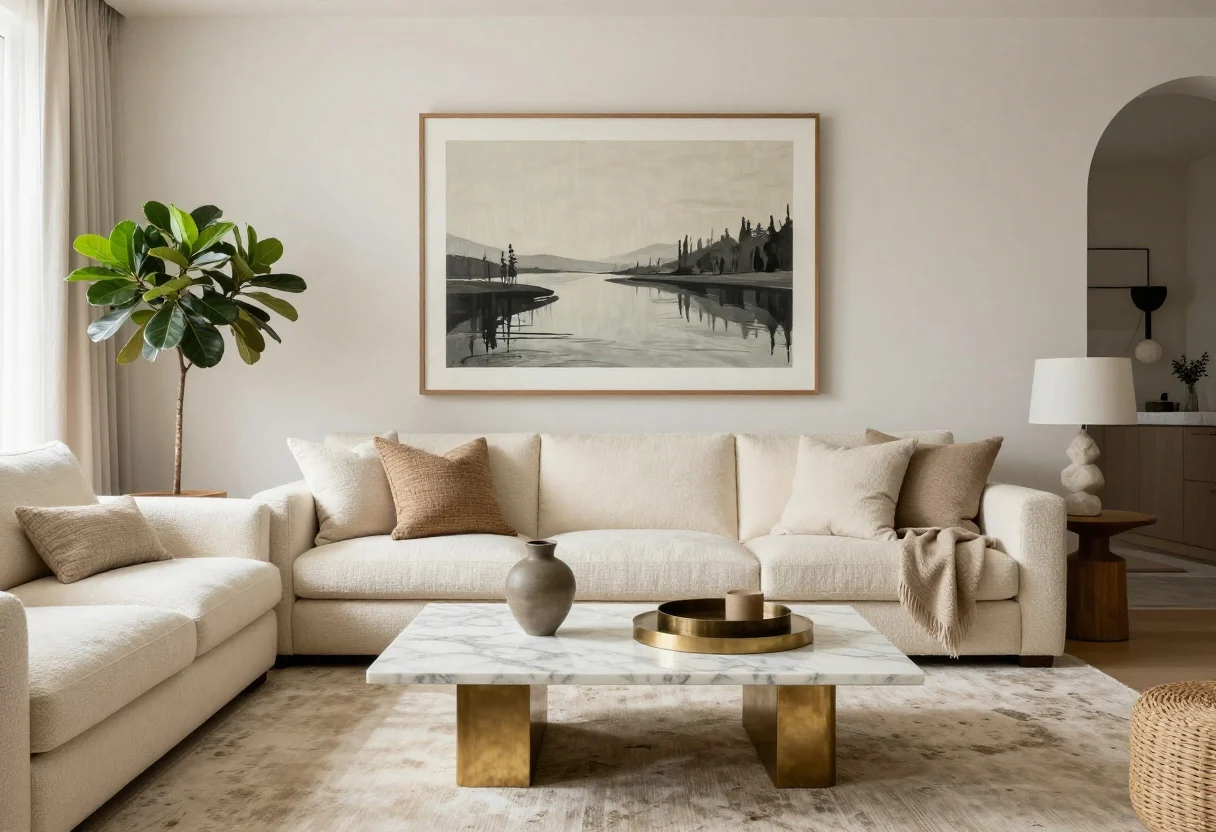
9 Living Room Luxury Ideas That Look Expensive and Effortless
You want the kind of living room that whispers “I’ve got great taste” without screaming “I blew the budget,” right? Good. Because luxury isn’t about spending more—it’s about styling smarter. These ideas dial up the polish, layer in texture, and pull everything together so your space looks custom, curated, and yes—effortlessly expensive.
1. Curate A High-End Color Story
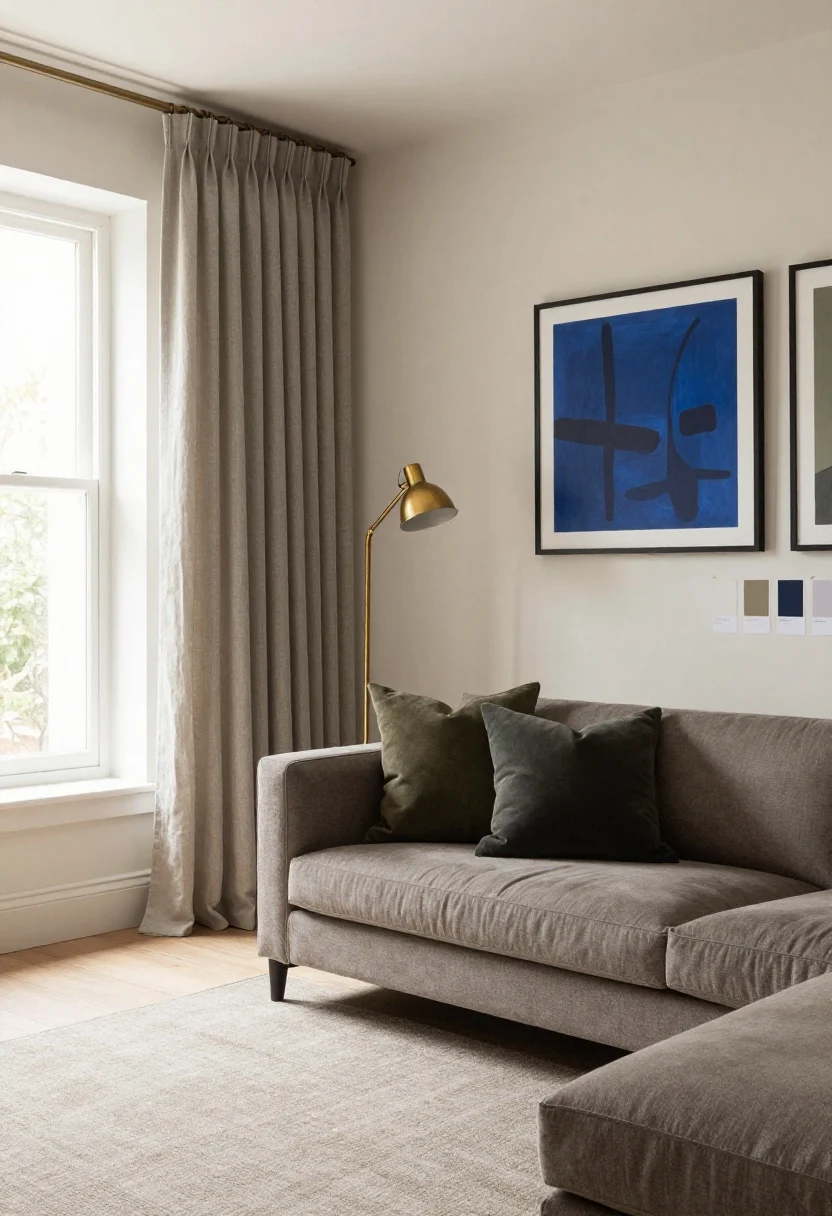
Color is your shortcut to sophistication. Choose a tight palette—three to four tones max—and repeat them across furniture, textiles, and art. Keep your base calm and neutral, then layer in one or two richer accents for depth.
What Works
- Classic neutrals: Ivory, greige, soft taupe, and charcoal build a gallery-like backdrop.
- Rich accents: Deep olive, midnight blue, oxblood, or muted aubergine say “custom,” not “catalog.”
- Metal accents: A single metal—antique brass or polished nickel—repeated across hardware and lighting.
Pro move: Match the undertone. If your sofa leans warm, keep your rug and walls warm too. Mixed undertones can make even pricey pieces look off. FYI: Paint samples look lighter on walls—test swatches in morning and evening light before committing.
2. Layer Textures Like A Stylist
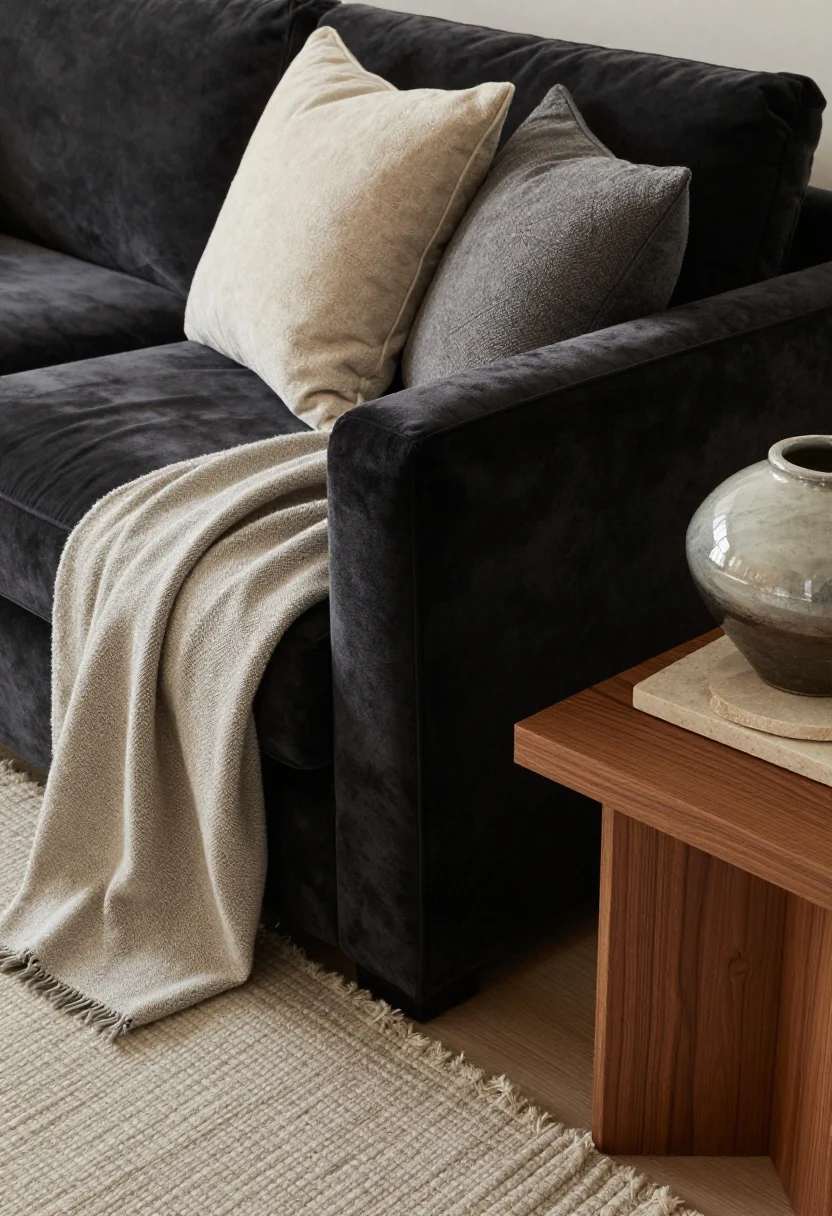
Texture is where luxury lives. Gloss and matte. Nubby and smooth. Soft and structured. Stack them so your eye keeps discovering small moments of contrast.
Start With These Layers
- Foundations: A low-pile wool rug, a linen or velvet sofa, and a wood piece with visible grain.
- Elevators: Mohair or bouclé pillows, a cashmere or alpaca throw, and a marble or travertine side table.
- Shine points: Lacquered trays, stone coasters, or a ceramic lamp with a subtle sheen.
Keep about 60% soft textures, 30% structured (wood, stone), and 10% reflective. That ratio reads expensive without tipping into “hotel lobby.”
3. Choose One Statement Lighting Moment
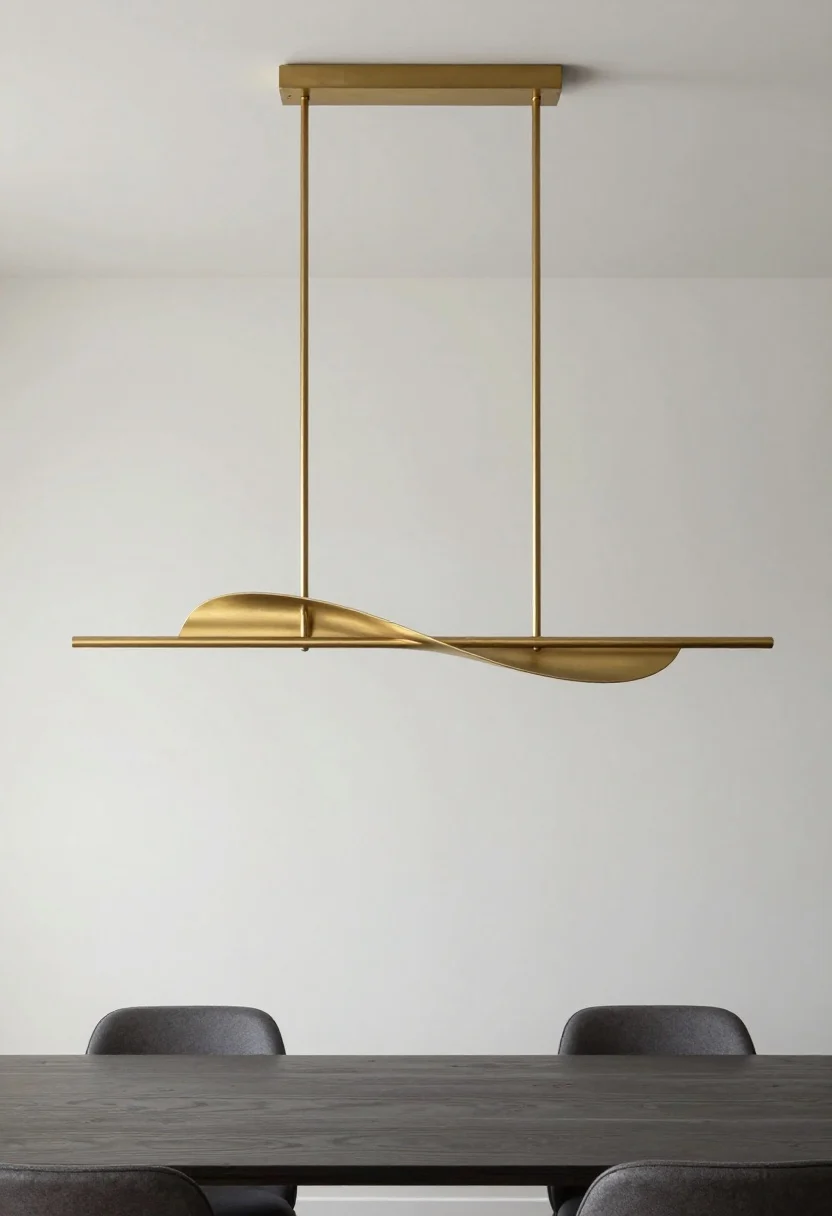
Lighting is the jewelry of your room, and no, the ceiling boob light doesn’t count. One sculptural piece anchors everything—think a globe chandelier, linear brass pendant, or an oversized linen drum.
Layer The Glow
- Ambient: Dimmable overhead fixture for overall light.
- Task: A swing-arm floor lamp by the sofa or reading chair.
- Accent: Picture lights or small table lamps for warmth and shadow play.
Use warm 2700K bulbs and dimmers everywhere. Harsh white light makes even designer pieces look cheap. And please hang the chandelier low enough to feel intentional—typically 7 to 7.5 feet from floor to bottom of fixture in living rooms.
4. Edit, Oversize, And Float Your Furniture
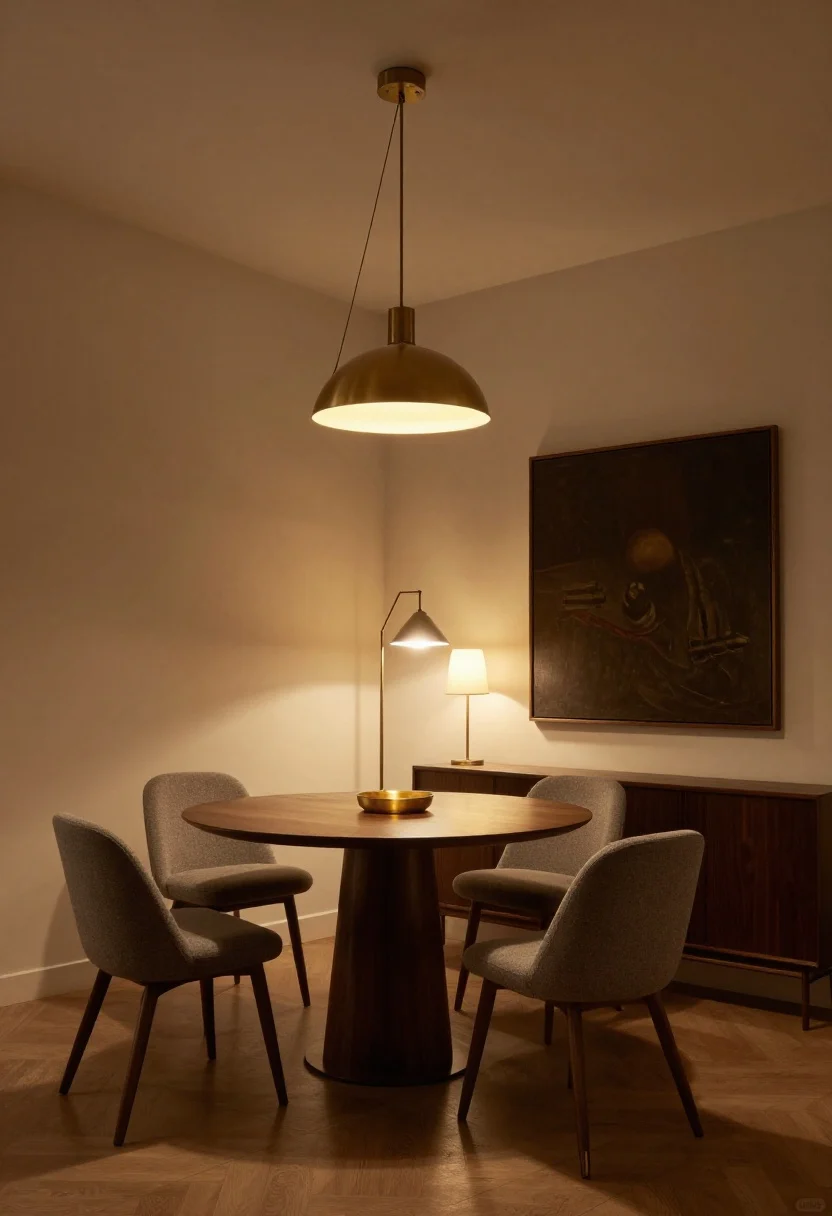
Clutter kills luxury. So does a living room full of tiny pieces. Opt for fewer, larger silhouettes and give them room to breathe. It’s the negative space that says “bespoke.”
Placement Tips
- Rug first: Size up. At least the front legs of your seating should sit on the rug. Ideally, all legs.
- Float it: Pull the sofa 6–12 inches off the wall to avoid the dorm look.
- Scale smart: One big coffee table > two small ones. Aim for 16–18 inches from sofa to table edge.
If your room is small, choose pieces with visual lightness—slim arms, raised legs, glass or stone tops—so you still get the “oversized” impact without the bulk.
5. Elevate With Tailored Window Treatments

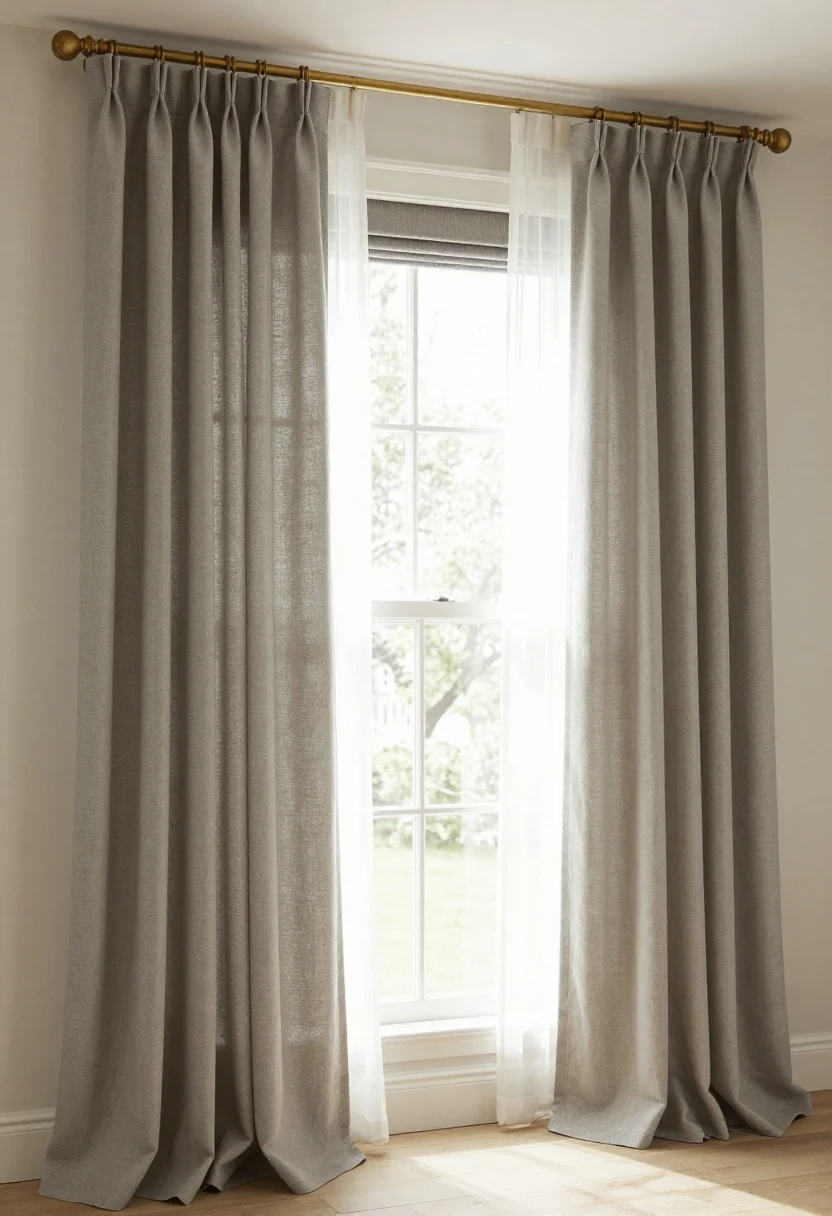
Nothing upgrades a space faster than properly dressed windows. The trick is simple: hang high, go wide, and choose fabric that falls with weight and grace.
Rules That Always Work
- Hang high: Mount rods 6–10 inches above the frame, or just below the ceiling to elongate the room.
- Go wide: Extend rods 8–12 inches past each side so panels stack off the window, maximizing light.
- Choose quality fabric: Linen blends or velvet with lining for fullness; avoid thin poly that reads flat.
For a clean, luxe finish, try ripple-fold or pinch-pleat headers and ensure curtains just kiss the floor. Roman shades in a textured fabric are great for modern spaces—layer with simple sheers for softness.
6. Upgrade Surfaces: Stone, Wood, And Subtle Shine
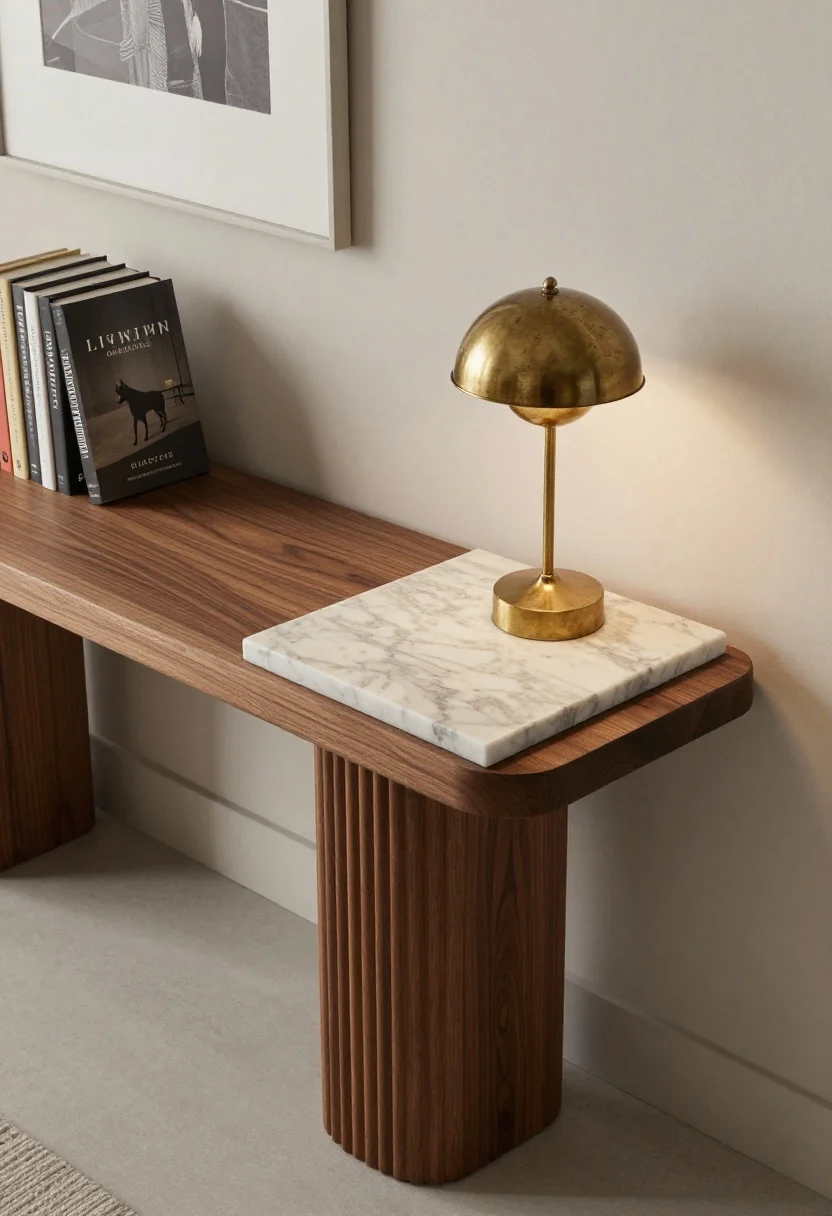
High-end rooms love natural materials. You don’t need a full marble fireplace—just introduce one or two luxe surfaces and repeat them thoughtfully.
Swap And Style
- Coffee or side tables: Marble, travertine, or fluted wood add instant gravitas.
- Mixed finishes: Pair honed stone (matte) with unlacquered or antique brass for that soft glow.
- Case goods: Look for walnut or oak with visible grain; fluting or ribbed fronts add depth.
On a budget? Consider a stone tray on a wood table, a marble lamp base, or travertine bookends. Repetition matters more than size—echo the same material in two or three places and your room feels cohesive and intentional.
7. Style Art Like A Collector
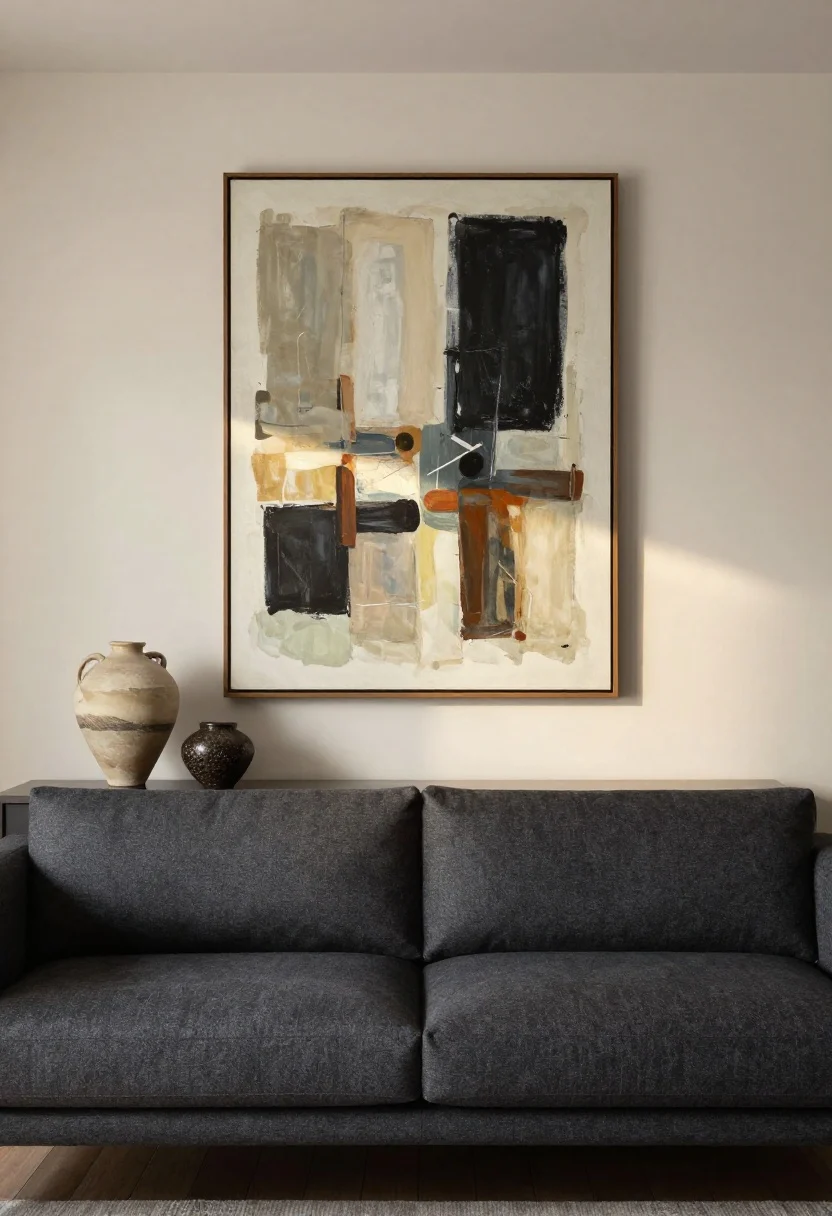
Art is where personal taste meets polish. Mix mediums and sizes, and frame like you mean it. A few pieces hung at the right height look far more expensive than a crowded gallery wall done wrong.
Art Placement Basics
- Eye level: Center art at roughly 57–60 inches from the floor; lower if it’s hanging above a sofa.
- Proportions: Above a sofa or console, art should be 2/3 to 3/4 the width of the furniture.
- Frame game: Use slimmer profiles in black, natural wood, or antique brass; add matting for air.
Mix abstract pieces with a single vintage portrait or landscape for that “collected over time” feel. Don’t forget sculptural art: a ceramic vessel, a bronze object, or a stone bust on a stack of books instantly adds depth. IMO, one oversized canvas beats six tiny prints every time.
8. Curate Accessories With Intent (And Negative Space)
Styling is where rooms go from nice to editorial. Keep only what earns its spot, and group items by tone, scale, and material. We’re aiming for curated, not cluttered.
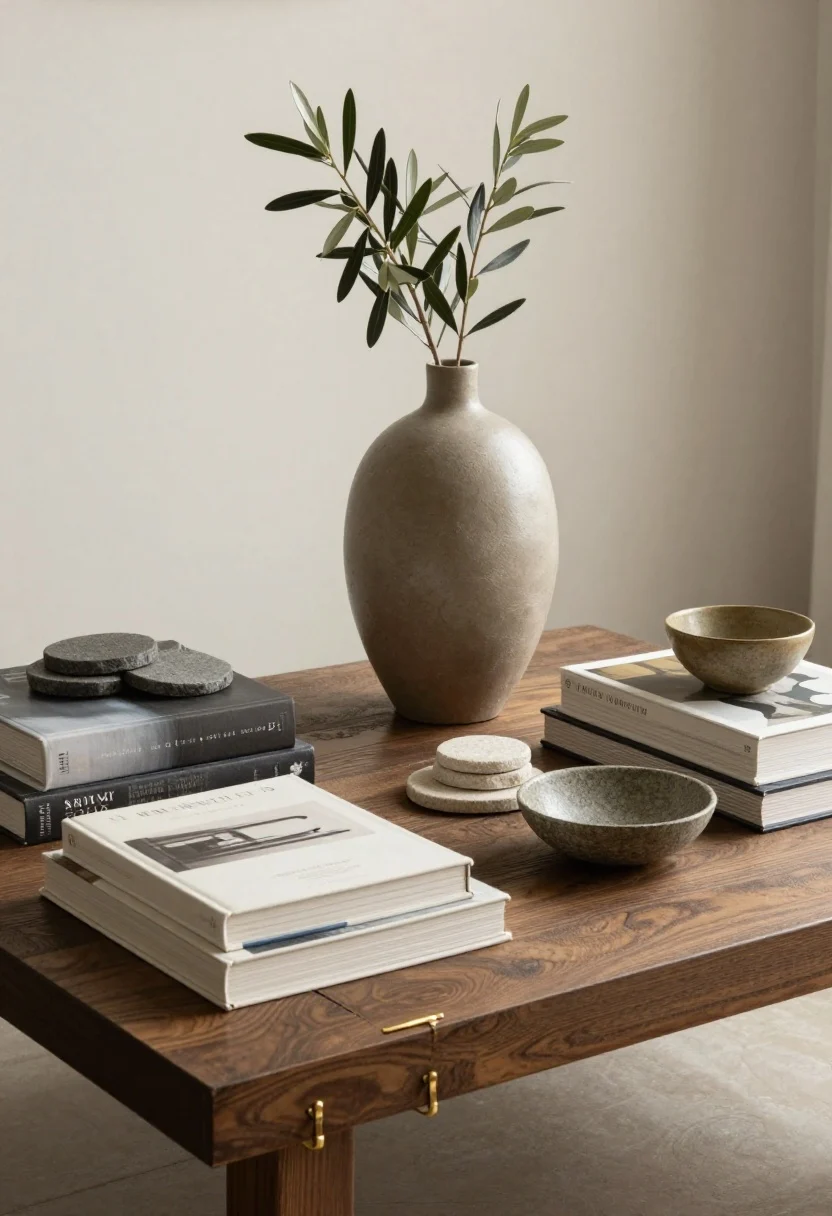
Coffee Table Formula
- Anchor: One large tray or a commanding art book stack.
- Height: A sculptural vase or candleholder for vertical interest.
- Texture: Stone coasters, a ceramic object, or a small bowl with character.
Use odd numbers when grouping and vary heights. Leave some empty space—luxury looks like restraint. Swap seasonal items subtly: olive branches in fall, magnolia in winter, eucalyptus in spring. And yes, fresh florals beat faux nine times out of ten.
9. Master Scent, Sound, And Softness
Luxury is a full-sensory experience—finish it with scent, acoustics, and ultra-comfortable touch points. These are the quiet details guests can’t pinpoint but always remember.
Dial In The Atmosphere
- Scent profile: Layer a diffuser (subtle) with a candle (ritual). Notes like cedar, fig, amber, or vetiver read grown-up.
- Sound: Soft rugs, curtains, and upholstered pieces absorb echo and make conversations feel intimate.
- Feel: Invest in what you touch most—throw blankets, pillow inserts, and a leather or velvet accent chair.
Hide cords with cable covers, upgrade switch plates to metal or screwless, and keep a sleek basket for throws and remotes. These micro-upgrades create a calm, hotel-level vibe without a hotel bill. FYI: A well-placed dimmer plus a great playlist covers a multitude of decor sins.
Putting It All Together
Start with your color story and a hero light fixture, then build texture with a quality rug and layered textiles. Add one or two luxe surfaces, hang art at the right height, and finish with edited accessories. Finally, polish the mood with scent and soft lighting. That’s the formula.
You don’t need a contractor or a trust fund to get a living room that looks expensive—just intention and a bit of restraint. Pick two ideas to start this weekend, then layer the rest over time. Your future self (and your Instagram feed) will thank you.